Paul Rushworth-Brown | Australian Historical Novelist, Historian & Educator
Australian historical novelist • Historian • Interviewer • Educator
Paul Rushworth-Brown is an Australian historical novelist, historian, interviewer, and educator whose work explores the human cost of history through award-winning novels, historical research, international interviews, and free educational resources.
Creator of The Human Cost of History, Paul brings the past to life through stories of ordinary people facing extraordinary moments.
Featured on international television, radio, podcasts, and literary media across Australia, the United States, and the
United Kingdom


Read the free serialized historical mystery
Explore Paul's Historical Fiction


1.png)
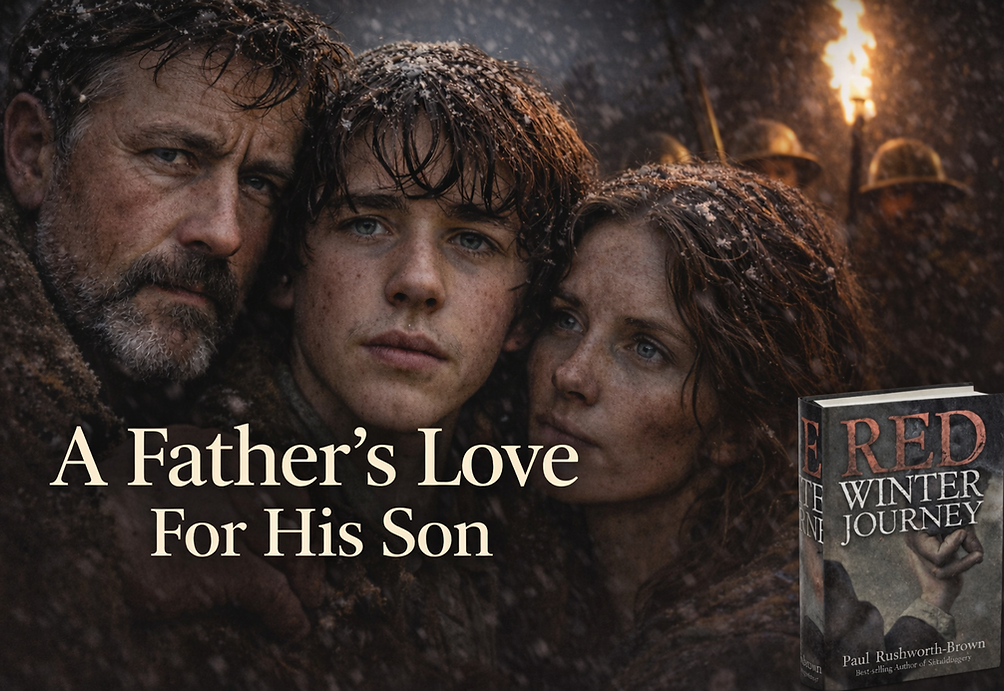
He never meant to go to war.
He only meant to find his son.
In a country torn apart, one man will cross everything
to bring his child home.



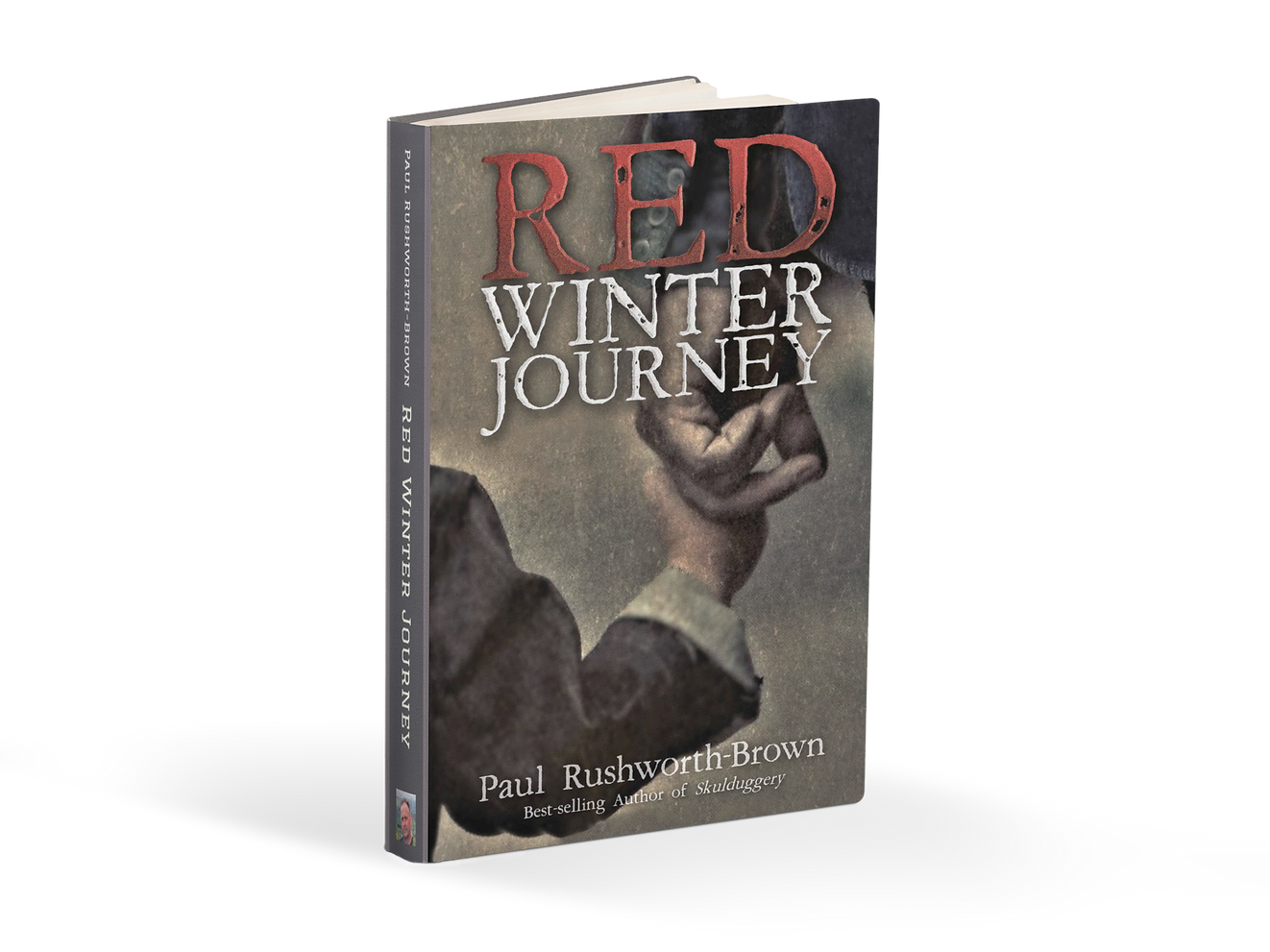
A powerful story of survival, family, and the human cost of war.
Tommy Rushworth is just sixteen when he is taken from his home and forced into a conflict he does not understand.
Thrust into the brutality of the English Civil War, he must endure winter, sickness, and the constant threat of betrayal.
Behind him, his father Thomas and grandfather John Hargreaves set out across a divided land—risking everything to bring him home.
Set against the backdrop of 1642 England, this is a story not of kings and generals, but of ordinary lives caught in extraordinary circumstances.

Before the war...there was life.
He was just a boy, working the land, with no thought of ...
what was coming.
What History Does
to Ordinary People.

A Father’s Fight to Save his Son— in a War he Wanted no Part of.

She does not turn away from the fire.
The light flickers behind her, catching in her eyes—
but there is no warmth in it. Only the quiet knowledge
that something has changed, and cannot be undone.
Isabel Rushworth stands still, listening.
Not for voices.
Not for footsteps.
But for the absence of them.
Her husband is gone.
Taken into a war he never chose, pulled from the life
they were only just beginning to build. There were
no goodbyes that made sense of it—only the
sudden weight of silence left behind.
The world she knew has begun to fracture—
piece by piece, choice by choice.
And here, in the stillness, Isabel begins to
understand what that truly means.
Not glory.
Not honour.
But waiting.
And the quiet, relentless fear that waiting may be all she has left.

Before the war, there was home.
In the winter of 1642, England stood divided—neighbour against neighbour, loyalty against survival.
Before battle came uncertainty. Before courage came fear.
In this chapter from Red Winter Journey, young Tommy Rushworth faces the brutal reality of a conflict he never chose—caught between survival, fear, and the memory of everything he has left behind.

From Red Winter Journey

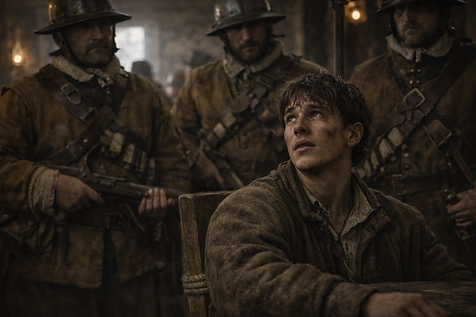
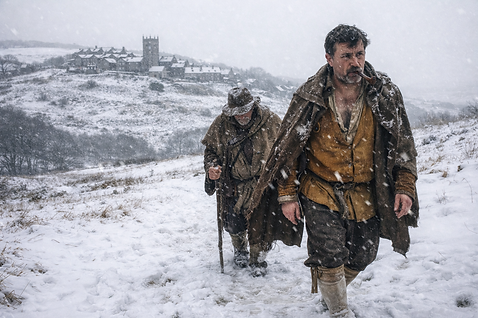


On the road to Tadcaster, the drummer started the slow beat for the march back to camp.
“FORWARD!” the sergeant bellowed.
The pikemen marched to the other side of the town. It was dark, and Tommy felt an uneasiness about the coming days. He pondered how things were going back home in Haworth.
“How I miss the evenings with my family sitting in front of the hearth of the fire. The banter with my father and uncle and watching Father playing with Will. I also miss the cold nights in the loft warmed by the closeness of Isabel’s body. If only I could get word to them.”
Back at the camp, the fires were already lit, and the iron cauldron was bubbling away above the fire.
“What’s fer supper?” asked Tommy.
“Bit of melted snow, pieces of onion and bit a something that looks like squirrel. We should have kept the cow!” claimed James.
They sat down on the log, warming themselves, quietened by the events of the day. A feeling of foreboding washed over them.
“I don’t have a good feeling about the comin’ days,” claimed James.
The wind rattled the canvas of the tent that night, and sleep didn’t come easy. Tommy lay awake, his mind in turmoil. He reflected over leaving in the night as he had heard others had done.
He whispered to James, “Are you thinking what I’m thinking?”
“Aye,” came the reply from beneath the blanket, “but don’t fancy me arse split from ear hole ta breakfast time.”
“Aye, but only if they catch us.”
They waited.
It was a while before the corporal came into the tent. He took off his boots and climbed under his blanket. It wasn’t too long before he started snoring.
James touched Tommy’s shoulder in the dark and crouched to walk outside. Tommy crawled over to untie the ties of the tent flaps.
The corporal stirred and groaned but did not wake.
They slipped outside into the freezing night.
James turned to tie the tent flaps back up so as not to be seen by the wandering guards. As he got to the middle one, the pointy end of a backsword appeared, pushing through the gap between the flaps and pressing into his chest.
“Going somewhere?” the corporal asked quietly.
“No, Corporal, just relieving meself… you know how it is.”
“And yer mate Tommy?”
“Same… he’s got the runnins.”
“The runnins… best you untie the tent flaps,” ordered the corporal.
The moment passed. They returned inside.
By morning, the men were forming rank and file.
“I heard that most of Newcastle’s army is less than half a day’s march away… he has 3000 men!” said James.
Tommy looked up. “How are we going to face that and survive?”
No one answered.
The drummer started again.
They marched.
An hour later, the sound came from the east. A rider galloped across the bridge.
“THEY’RE HERE! MUST BE OVER THREE THOUSAND MEN!”
The pikemen stood ready.
Smoke rolled across the earthworks as the musketeers fired. Men fell. Others stepped forward. The air filled with the crack of musket fire and the thunder of cannon.
“I don’t like the looks of this, Tommy!” implored James.
The order came.
“WE’RE RETREATING!”
They turned and marched into the moor, the sound of battle chasing them.
A cannonball tore through the ranks. A man dropped screaming, his leg shattered. Another fell without a word.
Tommy kept moving.
By the time they reached camp, he could barely stand.
The fever had taken hold.
He lay on his mattress, shivering uncontrollably. His breathing was laboured. He tried to eat, but his hands shook too much to hold the bread. He picked up snow and waited for it to melt before slurping it from his palm.
Around him, the men watched.
They had seen it before.
“He’ll be lucky if he makes it to the mornin’,” one whispered.
Tommy closed his eyes, his thoughts drifting once more to home… to warmth… to Isabel.


For Tommy, the war is only just beginning. Far from home, weakened by hunger and sickness, the battle may not end when the fighting stops—and some wounds are not so easily left behind.