





17th Century Yorkshire: Cruel and Unusual Punishment

Updated: Jul 27

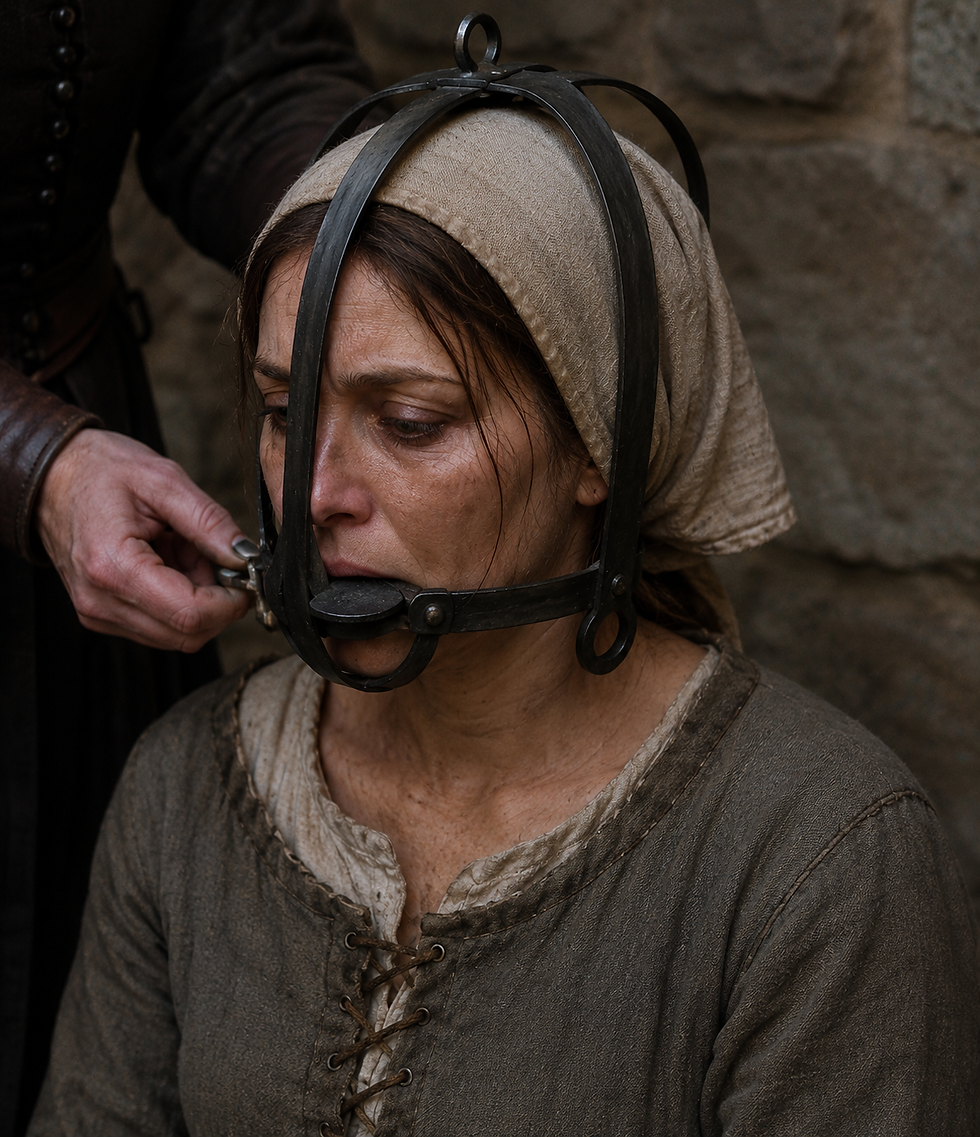
In Yorkshire in the 17th Century, dealing with local crime and punishment was the responsibility of the constable or sheriff, a position filled from the landowners of the local community or their representative. Sworn in for the one-year period, the constable was responsible for dealing with local disputes, fighting and drunk and disorder. He was also responsible for collecting taxes on goods and often would have to go door to door to assess the rate of tax and collect it.
Punishment and the Role of the Constable in 17th-Century Yorkshire
Constables at the time were ‘on call 24 hours a day and received no remuneration for their services; however, if a criminal had escaped or there was a murder the constable could be paid a shilling for his efforts. At the time, almost every office or service accepted bribes so sheriffs, and constables numbered among the officials willing to accept bribes in return for favours or leniency. Sometimes the constable could be more crooked than the suspects he was trying to arrest.


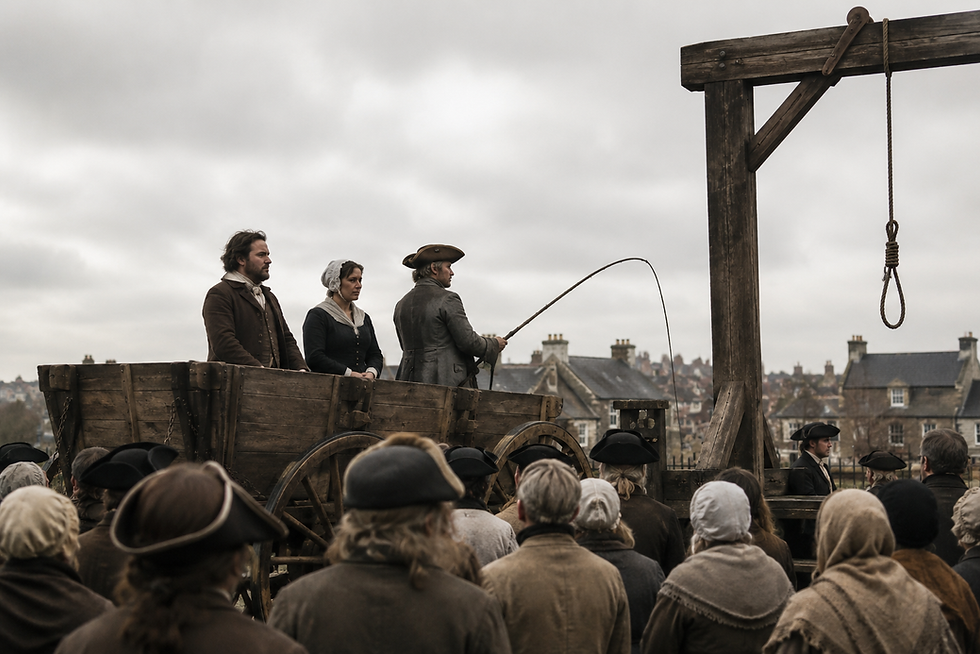
The local Justice of the Peace could not officiate on capital crimes, so perpetrators were sentenced to hang by the Assize Court judges which met once every three months. Hangings in the 17th Century were often short drop causing strangulation rather than a snapping of the neck and the victim would hang until suffocation occurred.
Halifax Yorkshire was well known for the gibbet an early form of guillotine, a beheading device. The perpetrator was placed on their front, hands tied with their head placed underneath a blade which dropped from a wooden structure. More can be read about this in the article: To Hell, Hull or Halifax.
The Halifax Gibbet and Punishment by Beheading

The gibbet could be used for the theft of any goods with a value of more than thirteen shillings. Most often than not this involved the theft of wool or cloth; however, often valuations could be raised or lowered for one reason or another.
In the 17th Century, there were fifty serious capital crimes punishable by death or torture. Religious crimes against the state were severely punished often with torture and disembowelment. One such torture involved placing rocks on the chest of the suspect until they confessed to the crime. If they did not confess then more rocks would be loaded until the chest was crushed.

Public embarrassment proved especially effective in the smaller villages and rural towns. Less serious crimes by non-capital punishments such as time in the stocks or pillory. A wooden framework with holes for the head and hands, in which offenders were exposed to public abuse. In most cases, the offender would be held in the stocks, on public display, for one full day per week for two to three weeks. In Puritan times, this was the usual punishment for drunkenness, swearing or failing to observe Godly ways. This punishment was often considered a form of entertainment and the offender would be pelted with rotten eggs, vegetables, slaughterhouse waste, dead rats and often the odd stone.
After the English Civil War rising inflation, taxation and famine created an environment where thievery and other crimes were carried out by the lower ends of society for survival. Any trespassing or stealing was often considered a felony and punishable by death. Larceny or theft was the most common form of crime throughout Yorkshire but often difficult to prove. Other correctional methods for these crimes were whipping, mutilations, branding or spending time in the cage. For the stubborn housewife or argumentative kitchen maid there was always the ducking pond.

Branding, an especially common disciplinary device, provided punishment for many offenders. The brand, located on a prominent part of the body, served to warn people of the crime committed by the person carrying the brandmark. It was hoped that this form of punishment would deter others from similar transgressions.
Constables and sheriffs often proved willing to investigate only certain classes of people, usually the lower class and vagrants. Offenders could be as young as eight years old, pregnant women, suspected witches or common beggars who had strayed too far from their own parish. The sympathies and judgment of the constable was an important factor and suspected perpetrators could be dealt with leniently or harshly depending on their class, gender or social disposition.


The rain falls hard across the moors. Rumours move faster than truth. And beneath the authority of Haworth Manor, ordinary lives begin to disappear into silence.
The Thomas Rushworth Chronicles is a dark historical mystery series set in the dangerous world of early seventeenth-century Yorkshire — a land of torchlit roads, hidden loyalties, manor intrigue, recusant secrets, and violence waiting beneath everyday life.
At the centre stands Thomas Rushworth, a young man drawn into events far larger than himself after whispers of treason, disappearances, and forbidden alliances begin spreading through the villages surrounding Haworth. What begins as survival soon becomes something far more dangerous as the lines between loyalty, fear, and betrayal begin to collapse.
Here, history is not a backdrop.
It is a force pressing down on every decision.
As riders arrive in the night and suspicion spreads from taverns to manor halls, families are forced to choose between obedience and survival. Every secret carries a cost. Every silence hides a danger. And every road across the Yorkshire moors leads deeper into a world where ordinary people are trapped inside history.
For readers of gritty historical suspense, atmospheric mystery, and immersive historical noir, The Thomas Rushworth Chronicles delivers a serialized world of mud, firelight, deception, and human consequence — where the past feels disturbingly alive.
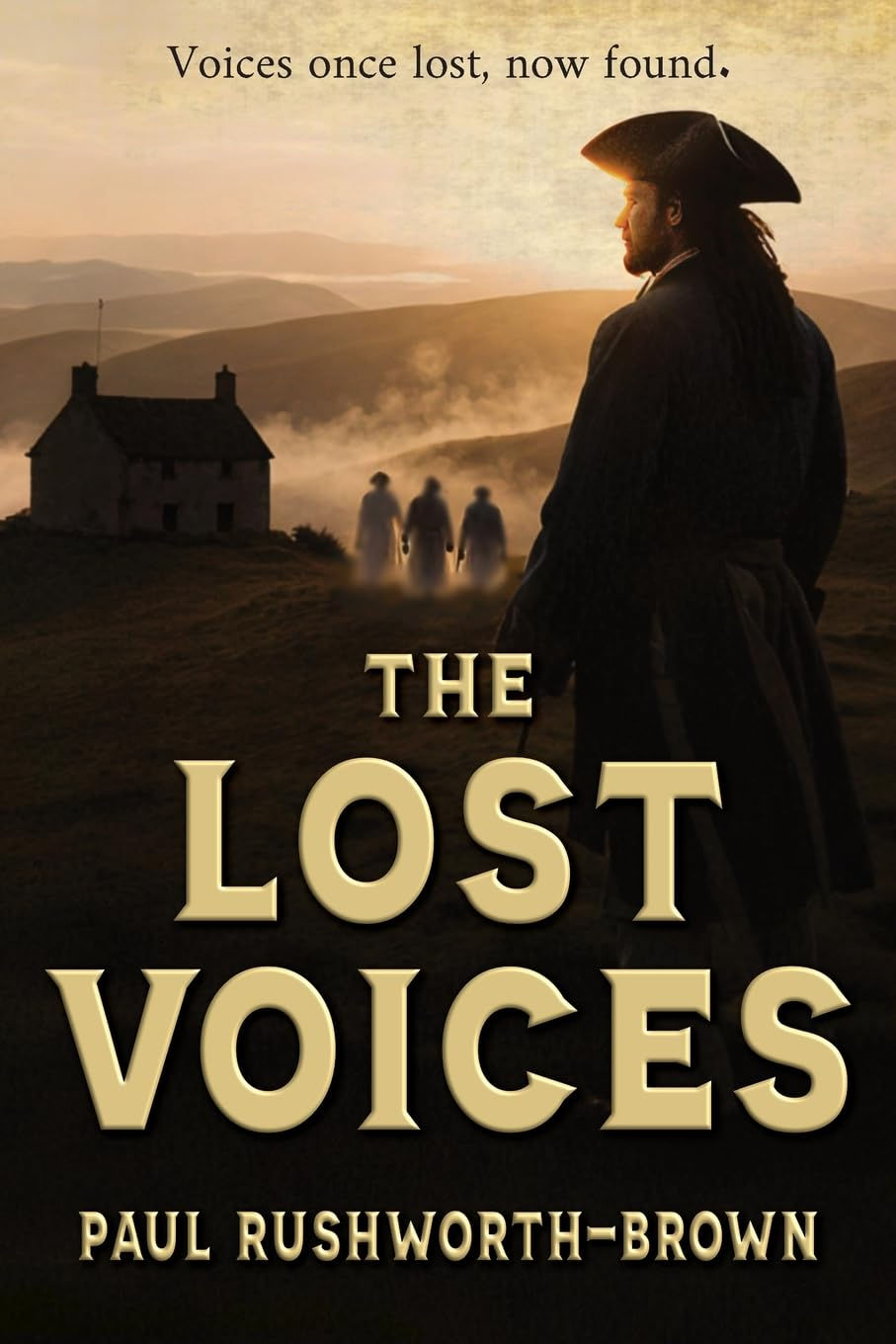
Some lives vanish from history.
Others refuse to stay buried.
Set against the harsh realities of eighteenth-century Yorkshire, The Lost Voices follows the lives of ordinary people struggling to survive in a world shaped by poverty, silence, power, and consequence. Far from the grand halls of history, these are the forgotten lives history rarely records properly — labourers, families, drifters, and souls carrying secrets too dangerous to speak aloud.
As brothers John and Robert Rushworth leave the moors behind in search of opportunity, they are drawn into a world where survival often comes at a human cost. Beneath the growing towns and promises of progress lies a darker reality shaped by desperation, betrayal, fear, and the fragile choices people make when trapped inside forces larger than themselves.
Rich in atmosphere and historical detail, The Lost Voices is not simply a story about the past — it is a haunting exploration of endurance, identity, silence, and the lives history tried to forget.

He came to Australia with hope.
The land had other plans.
Set in the harsh and unforgiving Australian outback of the 1950s, Outback Odyssey follows Jimmy, a young English migrant searching for purpose, belonging, and a future beyond the life he left behind. But the Australia he encounters is far removed from the promises he was sold.
Thrown into a remote sheep station ruled by isolation, unspoken hierarchies, and the brutal realities of survival, Jimmy finds himself caught between cultures, expectations, and a land that tests every weakness. As friendships deepen and tensions rise, he is forced to confront the human cost of ambition, identity, prejudice, and endurance in a country still struggling to understand itself.
At once intimate and sweeping, Outback Odyssey is a powerful historical novel about ordinary people trying to survive circumstances far greater than themselves — and the silence history often leaves behind.

Skulduggery is a dark historical mystery set in the dangerous world of post-Reformation Yorkshire, where fear, suspicion, and hidden loyalties shape the lives of ordinary people struggling to survive.
When rumours, robberies, and unexplained violence begin spreading across the villages surrounding Haworth, the Rushworth family is drawn into a web of deception far beyond their control. Beneath the authority of manor houses and the shadow of religious division, secrets move quietly through taverns, muddy roads, and torchlit nights — and asking the wrong question can be deadly.
As tensions rise, alliances fracture and survival becomes increasingly uncertain. Every conversation hides another motive. Every act of loyalty carries risk. And every step deeper into the mystery pulls the family closer to forces capable of destroying them.
Skulduggery is not a story about kings or great battles.
It is about ordinary people trapped inside a brutal and suspicious world where history is felt through fear, silence, and the desperate choices people make to endure.
Atmospheric, immersive, and filled with twists, hidden motives, and historical intrigue.

Red Winter Journey is a powerful historical novel set during the chaos and brutality of the English Civil War, where ordinary lives are torn apart by forces far beyond their control.
As England descends into violence and uncertainty, loyalties are tested between family, faith, and survival. What begins as a young boy’s journey through a fractured country soon becomes a deeply human story about endurance, identity, sacrifice, and the emotional cost of history itself.
Amid bitter winters, ruined villages, and the constant threat of war, a mother fights to protect her son while he is forced to confront a world that demands he grow up far too quickly. The conflict surrounding them is not experienced through kings or generals, but through the fear, loss, hunger, and impossible decisions faced by ordinary people caught in its path.
Red Winter Journey is not a romanticized tale of war.
It is a story about what war does to people.
Atmospheric, emotionally immersive, and grounded in historical realism, the novel explores how survival can reshape loyalty, innocence, and the bonds between families when history leaves no safe place to hide.

Dream of Courage is a sweeping historical novel set during the turbulent Restoration era, where old loyalties are collapsing and ordinary people are forced to navigate a world changing around them.
For the Rushworth family, survival has never been simple. But when ambition, hidden secrets, and dangerous enemies begin closing in, Robert Rushworth is drawn into a journey that will test not only his courage, but the very person he is becoming. Pursued by menacing figures and haunted by the consequences of decisions made under pressure, he must navigate a landscape where trust is fragile and danger often hides behind familiar faces.
Against the windswept moors and villages of Yorkshire, love, loyalty, and survival collide in a society still scarred by political upheaval and social division. The choices Robert makes will shape not only his future, but the lives of those bound to him by family, sacrifice, and fear.
Dream of Courage is not simply a story about adventure.
It is about what history demands from people trying to endure it.
Atmospheric, emotionally driven, and grounded in the harsh realities of rural English life, the novel explores identity, resilience, and the human cost of survival in a world where history reaches into every home, every relationship, and every act of courage.
Continue Exploring the Human Cost of History
Some stories challenge the way nations remember themselves.

Others force us to confront the voices history tried to leave outside the room.
Watch more long-form author conversations exploring history, memory, power, and the lives often overlooked by official narratives.



If you enjoy conversations about history, storytelling, survival, and the human cost behind historical events, explore Down Under Interviews on YouTube. The stories continue long after the interview ends.
YouTube:https://www.youtube.com/@DownUnderInterviews
The Thomas Rushworth Chronicles:https://www.paulrushworthbrown.com/chronicles
Not your best article Paul, wish you the best for the next one! 😍🍺💎🏳️🌈