.png)






English Historical Fiction Classics

Updated: May 19
By Amanda Smith
Media & Editorial | Down Under Interviews
English historical fiction remains one of the most enduring literary forms because it does more than reconstruct the past—it interprets it through lived experience.

From medieval cathedrals to Tudor courts and the upheaval of civil war, the strongest works of English historical fiction do not simply document events. They explore what those events felt like for the people caught inside them.
At its core, English historical fiction asks a question that history itself often cannot answer:
What did it cost to live through these moments?
What Defines English Historical Fiction?
Before looking at key works, it’s worth clarifying what sets English historical fiction apart:
It is grounded in real historical settings across England
It prioritises human experience over recorded outcome
It often centres on ordinary individuals navigating larger forces
It explores themes of power, survival, identity, and transformation
This is why the genre continues to resonate—not because it preserves history, but because it interprets its impact.
Medieval England in English Historical Fiction
Set in 12th-century England, this defining work of English historical fiction follows the construction of a cathedral across decades of instability.
But beneath the architecture lies something more enduring:a study of how ambition, faith, and survival shape ordinary lives under fragile systems of power.
Tudor Power and Perspective
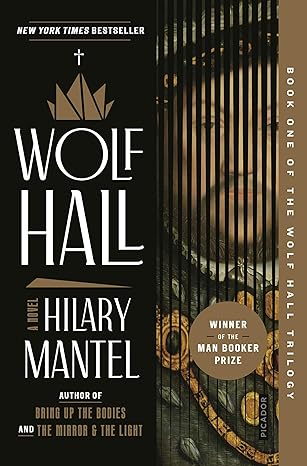
Few novels have reshaped English historical fiction like Wolf Hall. Through Thomas Cromwell, the Tudor court becomes a place where power is fluid, and survival depends on perception as much as loyalty.
Rather than presenting history as fixed, the novel reveals how it is constantly negotiated.
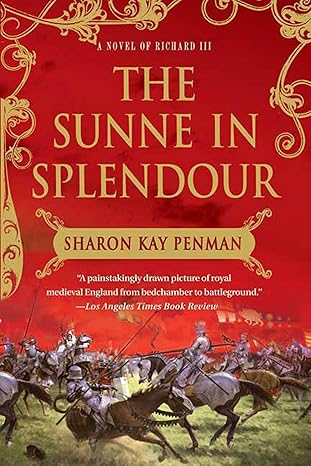
This re-examination of Richard III demonstrates how English historical fiction can challenge long-held narratives.
Here, history is not simply retold—it is reconsidered, reminding readers that legacy is often shaped by those who record it.

Truth, Memory, and Uncertainty
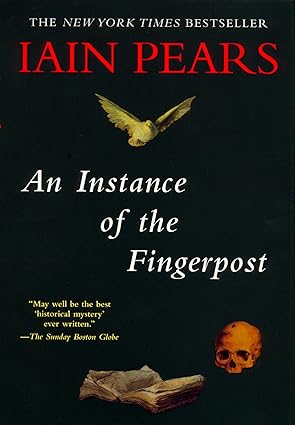
Set in 17th-century Oxford, this novel explores competing versions of truth.
In doing so, it reflects a broader shift within English historical fiction—from certainty to ambiguity, from singular narratives to layered interpretation.
War and the Human Cost in English Historical Fiction
Set during the English Civil War, this novel reflects a key strength of English historical fiction—its ability to shift focus from events to experience.
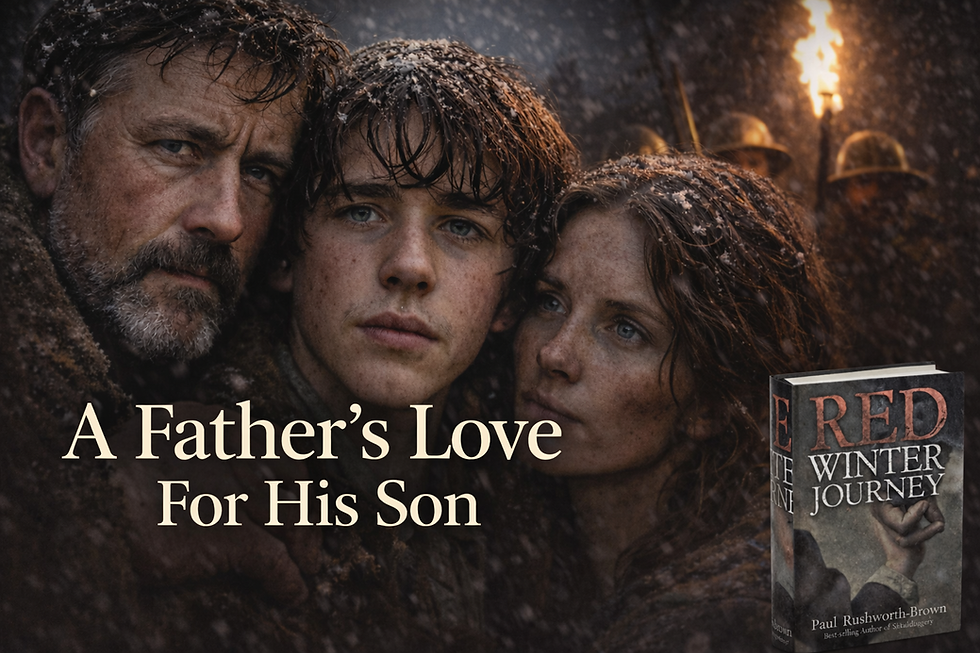
Rather than centring on the war itself, the story follows a boy drawn into conflict, and the family who cross a divided England to find him. The emphasis is not on outcome, but on distance, uncertainty, and the personal cost of survival.
Further Reading in English Historical Fiction
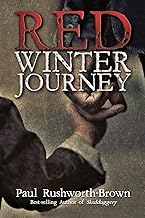
Reviewers and independent outlets have praised Red Winter Journey for its atmospheric detail and authentic evocation of ordinary people caught in extraordinary events. It strengthens Rushworth-Brown’s reputation—established with earlier works such as Skulduggery—as a distinctive voice in contemporary Australian-British historical fiction.
Across centuries, these stories return to one central idea:
History is not only shaped by those in power. It is lived—and often survived—by those without it.
The strongest works in this genre do not present history as spectacle.
They present it as experience.
And in doing so, they remind us of something essential:
History does not remain in the past. It lives on in the choices people were forced to make—and the ones they never had
ENTER THE CHRONICLES...CLICK!

Continue Exploring the Human Cost of History
Some stories challenge the way nations remember themselves.

Others force us to confront the voices history tried to leave outside the room.
Watch more long-form author conversations exploring history, memory, power, and the lives often overlooked by official narratives.



If you enjoy conversations about history, storytelling, survival, and the human cost behind historical events, explore Down Under Interviews on YouTube. The stories continue long after the interview ends.
YouTube:https://www.youtube.com/@DownUnderInterviews
The Thomas Rushworth Chronicles:https://www.paulrushworthbrown.com/chronicles
The past feels very different once you stop looking at kings and start looking at survival.
History often remembers kings, battles, and outcomes.But the stories that stay with us are usually quieter than that.
I’ve just published a new piece exploring English historical fiction classics—from medieval England through to the upheaval of civil war—and what they reveal about the people who lived through those moments.
Not the figures in power, but the ones shaped by it.
Books like The Pillars of the Earth, Wolf Hall, and others remind us that history isn’t only something recorded. It’s something experienced—often at a very human cost.