





The Darker Side of Brontë Country
- Paul Rushworth-Brown

- 1 day ago
- 7 min read
Updated: 9 hours ago
The Romantic Image Tourists Expect
Tourists arrive in Haworth searching for romance.
They come for the windswept moors, stone cottages, literary nostalgia, and the emotional beauty associated with the Brontë sisters. Today, Brontë Country is often presented as timeless and atmospheric — a place where literature and landscape blend together almost perfectly.
But beneath the postcard image lies a far harsher history.
Haworth Was Not the Peaceful Village People Imagine
Nineteenth-century Haworth was overcrowded, unhealthy, and shaped by hardship.

The narrow streets were steep, filthy, and poorly drained. Human waste often flowed openly through the village, clean water was limited, and disease spread quickly among families living in cramped conditions. Tuberculosis haunted the area for generations, and death was never emotionally distant from everyday life.
For many people living there, survival itself demanded resilience.
Childhood Was Often Defined by Loss
The Brontë family understood grief personally.
Maria and Elizabeth Brontë died young after enduring harsh conditions at the Clergy Daughters’ School — an experience many believe later influenced Charlotte Brontë’s depiction of Lowood School in Jane Eyre. Branwell Brontë struggled with alcoholism and emotional instability, while Emily Brontë’s deep attachment to the moors reflected a world shaped by loneliness, silence, and emotional isolation.
These were not abstract literary themes.
They were lived experiences.
The Yorkshire Moors Were Beautiful — But Unforgiving
Modern visitors often see the moors as peaceful and dramatic.

But for Victorian families, the landscape could feel isolating and severe. Winters were bitter, work was physically exhausting, and medical help was limited. Travel across the countryside was difficult, especially for poorer families already struggling to survive.
The beauty of the landscape existed alongside hardship.
That tension shaped the emotional atmosphere found throughout Brontë literature.
Victorian Society Expected Silence and Endurance
Victorian England valued morality, obedience, and emotional restraint.

People were expected to know their place, endure hardship quietly, and avoid questioning authority. Public respectability mattered deeply, even when families were struggling privately behind closed doors.
This emotional pressure can still be felt throughout the Brontës’ writing — in the loneliness of Jane Eyre, the emotional violence of Wuthering Heights, and the sense of repression that runs beneath many Victorian stories.
Why Brontë Country Still Feels So Powerful Today
Perhaps this is why Haworth continues to affect people so deeply.
Because beneath the tourism and literary mythology, something emotionally truthful still lingers in the landscape. The moors, stone streets, and harsh weather continue carrying traces of the lives once lived there — ordinary people shaped by grief, hardship, survival, and endurance.
The darker side of Brontë Country is not simply about poverty or death.
It is about recognising that the emotional intensity of Brontë literature emerged from a very real world — one where survival was often difficult, silence was expected, and ordinary lives carried enormous emotional weight.

Paul Rushworth-Brown
Paul Rushworth-Brown is the author of five historically grounded novels exploring how ordinary people live inside extraordinary circumstances:


The rain falls hard across the moors. Rumours move faster than truth. And beneath the authority of Haworth Manor, ordinary lives begin to disappear into silence.
The Thomas Rushworth Chronicles is a dark historical mystery series set in the dangerous world of early seventeenth-century Yorkshire — a land of torchlit roads, hidden loyalties, manor intrigue, recusant secrets, and violence waiting beneath everyday life.
At the centre stands Thomas Rushworth, a young man drawn into events far larger than himself after whispers of treason, disappearances, and forbidden alliances begin spreading through the villages surrounding Haworth. What begins as survival soon becomes something far more dangerous as the lines between loyalty, fear, and betrayal begin to collapse.
Here, history is not a backdrop.
It is a force pressing down on every decision.
As riders arrive in the night and suspicion spreads from taverns to manor halls, families are forced to choose between obedience and survival. Every secret carries a cost. Every silence hides a danger. And every road across the Yorkshire moors leads deeper into a world where ordinary people are trapped inside history.
For readers of gritty historical suspense, atmospheric mystery, and immersive historical noir, The Thomas Rushworth Chronicles delivers a serialized world of mud, firelight, deception, and human consequence — where the past feels disturbingly alive.
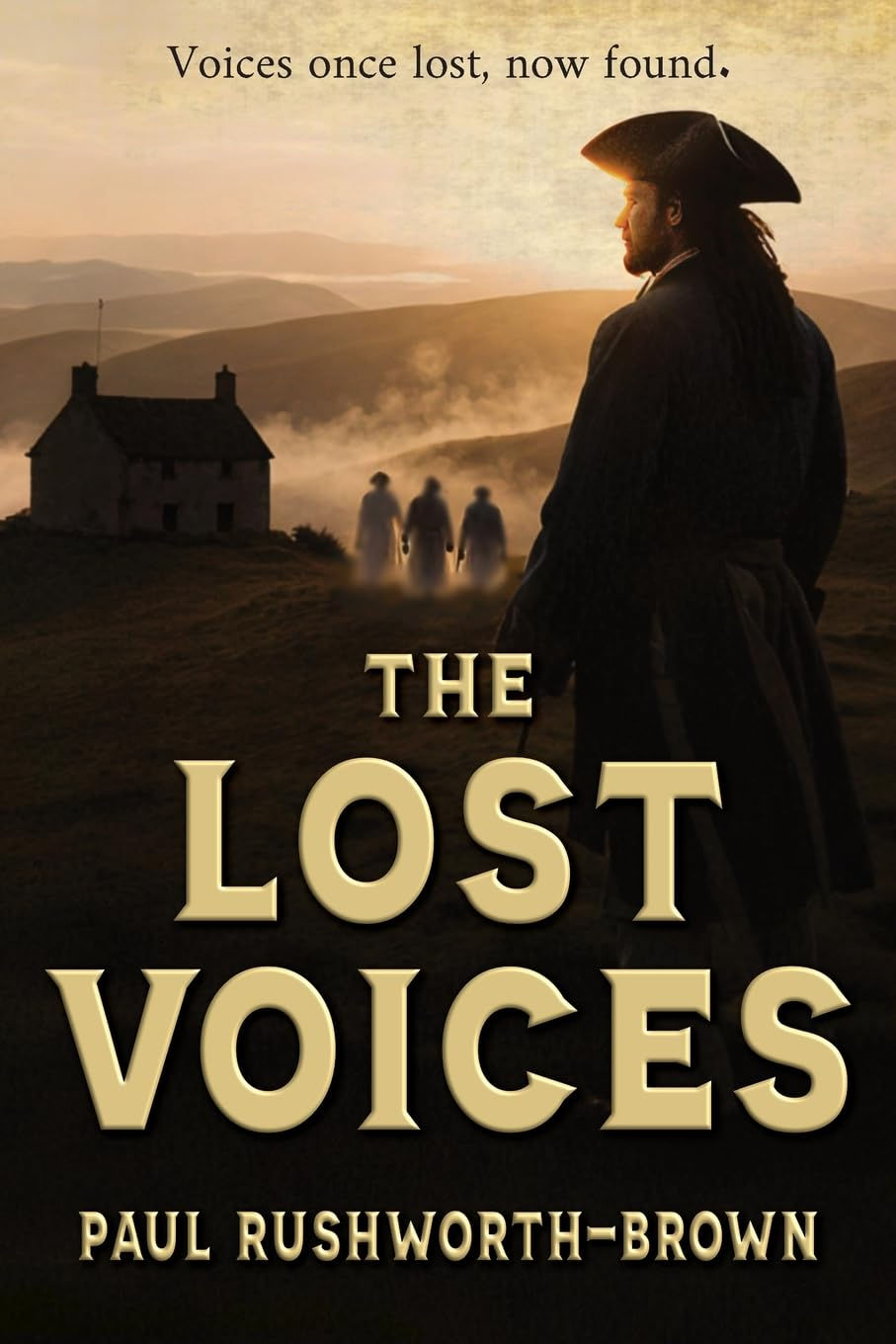
Some people disappear from history because nobody cared enough to remember them. Others were erased because remembering them would force the world to confront what it had done.
The Lost Voices is not a story about kings, generals, or famous victories. It is about ordinary people trapped beneath the weight of history — people forced to survive fear, silence, violence, and systems far larger than themselves.
In a world where power decides whose suffering matters, every whispered truth becomes dangerous.
Every act of survival carries a cost.
And every silence leaves a scar that echoes across generations.
Set against a brutal historical landscape shaped by suspicion, loss, and human endurance, The Lost Voices asks an unsettling question:
What happens to the people history chooses not to remember?
Because sometimes the most dangerous stories are not the ones buried in the past…
They are the ones still shaping us now.

Outback Odyssey is a historically grounded novel set in post-war Australia, following a young man from Yorkshire who arrives in a harsh and unfamiliar land carrying little more than hope, memory, and the emotional weight of everything he has left behind.
Drawn into the unforgiving realities of the Australian outback, he quickly discovers that survival depends on more than hard work. The landscape, the isolation, and the unspoken rules of the people around him begin to reshape the person he once believed himself to be.
The past is never fully abandoned. War, class, silence, and buried fears linger beneath everyday life, influencing relationships, loyalty, and identity long after the violence itself has ended.
Rather than celebrating heroic conquest, Outback Odyssey explores the quiet human cost of adaptation — the emotional compromises ordinary people make when history has already set the terms of survival.
It is a story about belonging, endurance, identity, and the frightening realization that survival sometimes demands more than sacrifice.
Sometimes survival demands that you become someone entirely different from who you once were.

Skulduggery drags readers into the dark, windswept world of seventeenth-century Yorkshire, where fear travels faster than truth and survival often depends on deception.
Beneath the shadow of Haworth Manor, a struggling family of copyholders becomes entangled in a deadly mystery that threatens to destroy far more than their livelihood. Rumours spread through muddy taverns and narrow village lanes. Strangers appear without warning. Loyalties fracture. And somewhere within the growing tension, somebody is hiding the truth.
As violence creeps across the moors and suspicion grips the village, ordinary people are forced into impossible choices where every secret carries consequences.
Blending historical realism with the tension of a dark whodunnit, Skulduggery is filled with hidden motives, manor intrigue, betrayal, forbidden desire, and the brutal uncertainty of life during the English Reformation.
Nothing in Yorkshire stays buried forever.
And by the time the truth finally emerges, it will already be too late for some to escape its consequences.

Red Winter Journey is a brutal and emotionally charged journey through seventeenth-century England during the chaos of the English Civil War — a world where loyalty can mean death, and survival often demands impossible choices.
At the heart of the story is not kings or generals, but a father trying to protect his son as violence, hunger, fear, and political division tear ordinary lives apart. As war spreads across Yorkshire and beyond, a young boy is forced to confront the terrifying reality that childhood cannot survive in a world consumed by suspicion and bloodshed.
Across frozen landscapes, ruined villages, and shifting allegiances, Red Winter Journey explores the bonds between parent and child, the weight of sacrifice, and the emotional cost of trying to hold a family together while history destroys everything around it.
This is not a romanticised vision of civil war.
It is a story about endurance, love, fear, and the quiet courage of ordinary people trapped inside forces far greater than themselves.
Because sometimes the greatest act of love is not victory.
Sometimes it is simply refusing to abandon the people you are trying to save.

Dream of Courage is a dark and emotionally charged story about ambition, survival, and the dangerous price ordinary people pay when desperation collides with power.
Born into hardship and uncertainty, Robert Rushworth dreams of escaping the limits history has placed upon him. But in a world ruled by class, violence, hidden loyalties, and growing unrest, every step toward opportunity draws him deeper into danger.
Set during the turbulent Restoration era, Dream of Courage explores the tension between old loyalties and emerging social realities, where political decisions made in London ripple through the villages, taverns, farms, and manor houses of Yorkshire. Against the windswept moors and harsh realities of rural English life, ordinary people are forced to navigate suspicion, shifting power, and the constant fear of losing everything they have struggled to build.
Pursued by ruthless figures, haunted by secrets that refuse to stay buried, and torn between survival and love, Robert is forced to confront a brutal truth: the world does not reward innocence for long.
Blending historical realism with tension, mystery, and emotional intensity, Dream of Courage explores what happens when ordinary people are pushed beyond the lives they were born into and forced to decide who they are willing to become in order to survive.
Because courage is not always heroic.
Sometimes courage means walking into darkness knowing it may change you forever.
Continue Exploring the Human Cost of History
Some stories challenge the way nations remember themselves.

Others force us to confront the voices history tried to leave outside the room.
Watch more long-form author conversations exploring history, memory, power, and the lives often overlooked by official narratives.


Comments